
What is a Colonoscopy?
A colonoscopy is a test that lets doctors look inside your large intestine. During this test, a thin, flexible tube with a camera is gently inserted into your rectum. This helps doctors check for problems like polyps, bleeding, or signs of colon cancer. Many people feel nervous about colonoscopy, but it is a safe and common procedure. According to the CDC, colonoscopy is the gold standard for colon cancer screening.
Why is a Colonoscopy Performed?
Doctors use colonoscopy for several reasons. First, it helps find early signs of colon cancer. Second, it can check for causes of stomach pain or bleeding. Also, colonoscopy can remove small growths called polyps before they turn into cancer. In many cases, this test can even help prevent serious illness.
Symptoms and Signs Indicating Need for Colonoscopy
Sometimes, your doctor may suggest a colonoscopy based on certain symptoms. For example, you may need this test if you have:
Additionally, people over age 45 should consider regular colonoscopy screening, as recommended by the CDC.
How to Prepare for a Colonoscopy
Proper preparation is key for a successful colonoscopy. Your doctor will give you clear instructions. However, here are some common colonoscopy preparation tips:
Because a clean colon helps your doctor see clearly, it is important to follow all instructions closely.
What Happens During the Procedure?
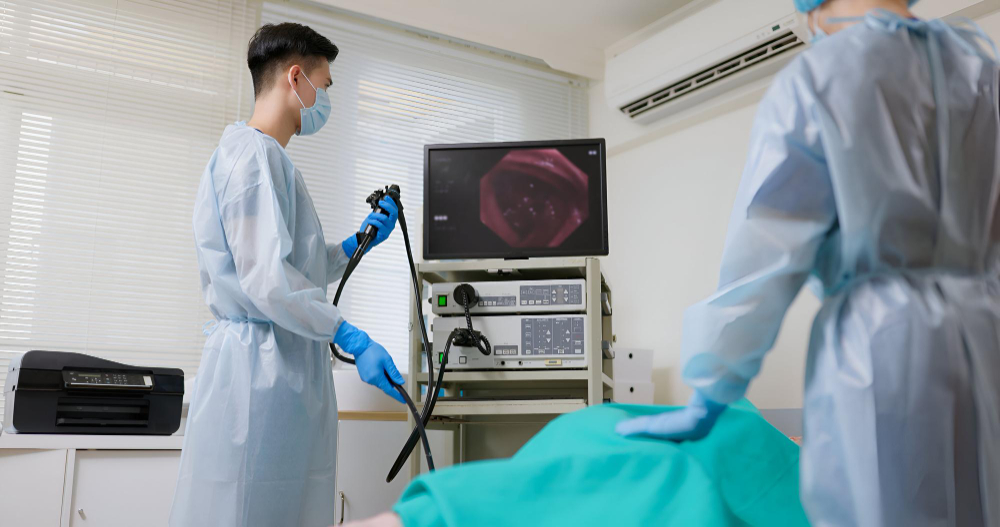
Many people wonder what happens during colonoscopy. First, you will change into a hospital gown. Next, you will get medicine to help you relax or sleep. Then, the doctor gently inserts the colonoscope into your rectum. The camera sends pictures to a screen, so the doctor can check your colon. If needed, small polyps can be removed during the test. The whole procedure usually takes 30 to 60 minutes. Most people feel little or no pain.
Risks and Benefits of Colonoscopy
Like any medical test, colonoscopy has risks and benefits. However, the benefits often outweigh the risks. Here are some key points:
According to the WHO, colonoscopy is a safe and effective way to prevent colon cancer.
Aftercare and Recovery Tips
After your colonoscopy, you may feel sleepy or have mild cramps. Most people recover quickly. For a smooth recovery, follow these colonoscopy recovery advice tips:
Usually, you can return to normal activities the next day.
Frequently Asked Questions
“In summary, colonoscopy is a safe and helpful test for many people. It can find problems early and even prevent cancer. If you have symptoms or are due for screening, consult a healthcare specialist at Magnus Diagnostic Centre to discuss if a colonoscopy is right for you.”